



.svg)
Most bathroom remodel regrets don't come from the tile you picked. They come from the decisions you didn't know you were making. A Seattle bathroom remodel packs plumbing, electrical, waterproofing, and ventilation into one of the smallest rooms in the house, and in a climate this damp, the margin for error is thinner than people expect. One skipped step behind the wall can undo a beautiful finish two winters later.
We've opened up enough Seattle bathrooms to see the same failures repeat. So here are the 10 mistakes that cost homeowners the most, and exactly how to sidestep each one before it becomes a change order or a callback.
Why Do So Many Seattle Bathroom Remodels Go Wrong?
Most Seattle bathroom remodels go wrong because homeowners focus on finishes and underinvest in the systems hidden behind them. Waterproofing, ventilation, and moisture control are the parts nobody photographs, and in the Pacific Northwest's wet climate they're the parts that determine whether your remodel lasts five years or twenty-five.
The finishes are easy to judge in a showroom. The framing, the membrane, the fan CFM, and the permit trail are not. That imbalance is where trouble starts.
Here's the full list.
1. Cutting Corners on Waterproofing
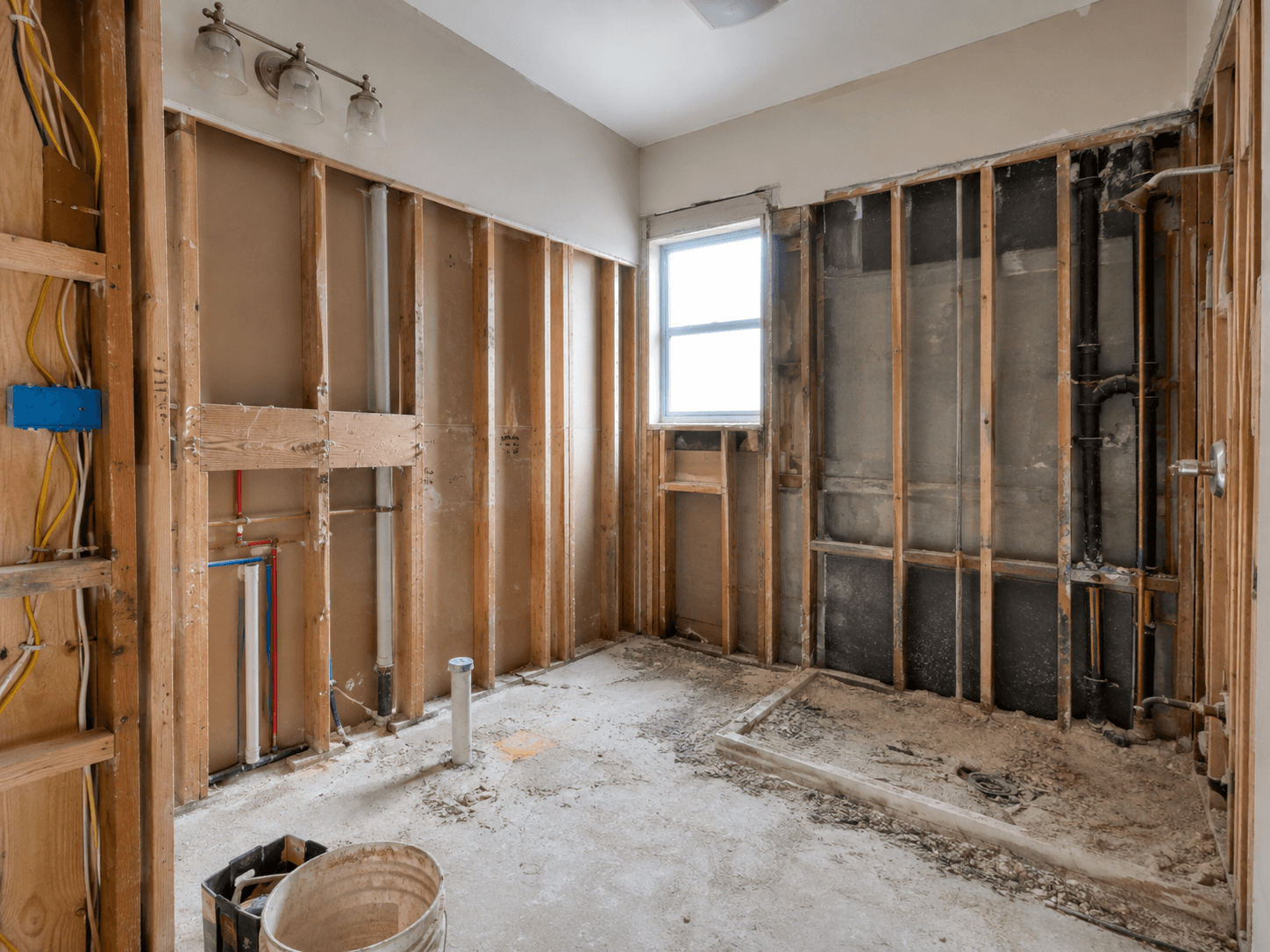
Skimping on waterproofing is the single most expensive mistake in any bathroom remodel. Water that gets past the tile and into the framing doesn't announce itself. It rots quietly, and by the time you see a stain or smell mildew, the damage is structural.
Tile and grout are not waterproof. The system behind them is. A proper wet-area assembly in a Seattle bathroom remodel should include:
- A continuous waterproofing membrane on shower walls and floor, either sheet-applied or a liquid membrane rolled to the right thickness.
- A correctly sloped shower pan that drains fully, with no low spots where water pools.
- Sealed penetrations at the valve, the drain, and any niche, since those cutouts are where leaks love to start.
- Backer board rated for wet areas, not standard drywall, behind the tile.
Get this wrong and nothing else you spent money on matters.
2. Undersizing the Ventilation
An undersized or missing exhaust fan is a serious mistake in Seattle, where humidity lingers and mold thrives. The fan is not an accessory. In a wet climate, it's the difference between a durable bathroom and a mold problem you'll be fighting for years.
Size the fan to the room. A tiny 50 CFM builder-grade unit can't clear the moisture from a full bath, and running it for a few minutes after a shower isn't enough. The EPA's guidance on controlling moisture and mold is blunt about this: the fix is keeping surfaces dry, and ventilation is how you do it. A timer or humidity-sensing switch that runs the fan well after you leave is one of the cheapest upgrades with the biggest payoff.
3. Skipping Permits
Skipping permits on a bathroom remodel is a gamble that rarely pays off. Move plumbing, alter electrical, or change the layout, and Seattle generally requires a permit through the Seattle Department of Construction and Inspections. Unpermitted work can stall a future home sale, void insurance claims, and force you to tear out finished work for inspection.
It feels like red tape until you're the one explaining it to a buyer's inspector. A licensed contractor pulls the right permits as part of the job, so this one is easy to avoid.
4. Prioritizing Style Over Function
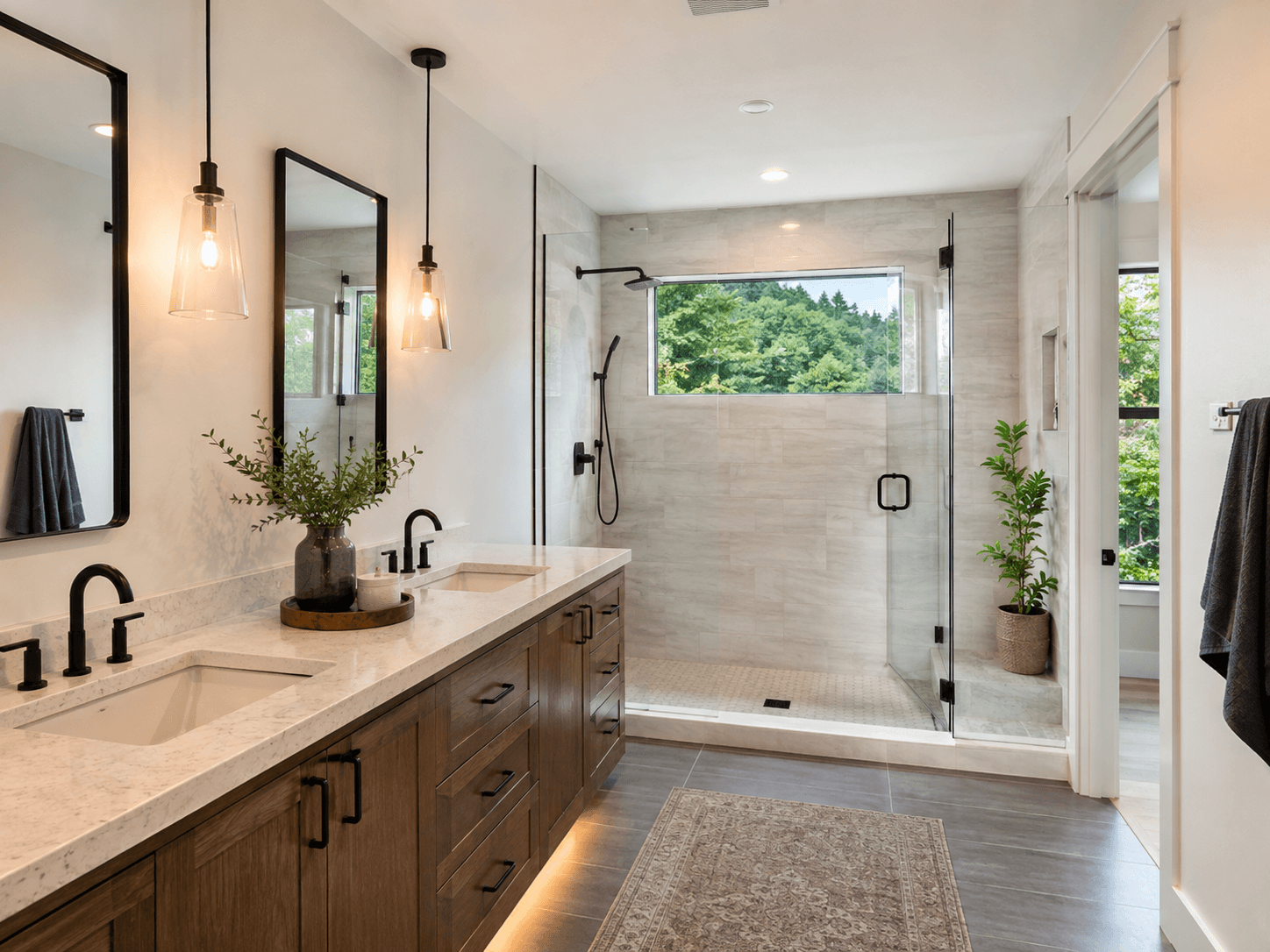
Choosing looks over function is a mistake you'll feel every single day. A gorgeous vanity that blocks the door swing, a trendy vessel sink that splashes everywhere, or storage you designed away because it wasn't pretty enough. These are the regrets that photograph beautifully and live terribly.
Design the room around how you actually use it. Where does the towel go? Where does the light fall when you're at the mirror? Function first, then make it beautiful. That order matters.
5. Moving Plumbing Without a Good Reason
Relocating plumbing is one of the biggest cost drivers in a bathroom remodel, so move it only when the payoff is real. Every fixture you shift means opening walls or floors, rerouting supply and drain lines, and often more permitting and inspection.
Sometimes it's worth it. A better layout can transform a cramped bathroom. But swapping the toilet and sink positions just for a fresh look is how budgets quietly balloon. Ask whether the new layout solves a real problem or just moves pipes around.
6. Buying the Cheapest Fixtures
Buying bargain-bin fixtures is a false economy that shows up fast. The valve behind the wall, the toilet's flush mechanism, the faucet cartridge, these are the parts that fail, and replacing a cheap in-wall valve later means opening finished tile.
Spend where it's hard to reach. You can save on the vanity or the mirror and upgrade those later without demolition. The rough-in plumbing is not the place to cut. Water-efficient fixtures carrying the EPA WaterSense label also trim your utility bills over time, which softens the higher upfront cost.
7. Planning Only One Light
Relying on a single overhead light is a mistake that makes even a well-built bathroom feel cheap. One ceiling fixture casts shadows exactly where you don't want them, on your face at the mirror. Good bathroom lighting is layered.
You want task lighting at the vanity (ideally on both sides of the mirror, not just above it), ambient light for the room, and often a separate moisture-rated fixture in the shower. Put them on separate switches. The difference between one light and a real lighting plan is night and day, sometimes literally.
8. Underestimating the Budget
Going in without a contingency is a mistake that turns small surprises into big stress. Bathrooms hide problems: old galvanized pipe, hidden water damage, framing that's out of square, wiring that isn't to code. Demolition is when they surface.
Build a cushion of 10 to 20 percent into your budget for the unknowns behind the walls. We keep current pricing on our bathroom remodel cost page so you can plan the visible scope, but the reserve is what keeps a mid-project discovery from derailing the whole thing. Nobody regrets having a contingency. Plenty of people regret not having one.
9. Hiring the Cheapest Bidder
Choosing a contractor on price alone is how bathroom remodels go sideways. The lowest bid often skips the things you can't see: proper waterproofing, correct permits, licensed trades, and adequate insurance. You pay for those omissions later, usually at a worse time.
Verify the fundamentals before you sign. In Washington, confirm the contractor is licensed, bonded, and insured, and that the license is active. Brutsky Builds carries license #BRUTSBL783ON and full insurance, because that paperwork is what protects you if something goes wrong. Cheapest is rarely the same as best value.
10. Ignoring Material Lead Times
Ordering materials too late is a scheduling mistake that stalls otherwise well-run projects. Custom vanities, special-order tile, and certain fixtures can take weeks to arrive, and a remodel can't finish while a single backordered part holds up the tile setter or the plumber.
Order early and confirm everything is on site before demolition starts. A good contractor sequences the whole project, from ordering to inspection, so the crew never sits idle waiting on a box. A typical bathroom remodel runs three to four weeks of construction when the materials are ready when the trades are.
How Can You Avoid These Bathroom Remodel Mistakes?
The reliable way to avoid these bathroom remodel mistakes is to hire a licensed contractor who plans the hidden systems as carefully as the finishes and puts the full scope in writing before demolition. Most of the failures on this list trace back to one root cause: cutting a corner you can't see to save money you'll spend twice.
A good remodeler walks your space, checks what's behind the walls, sizes the ventilation to the room, pulls the permits, and orders materials before the first tile comes off. None of that is glamorous. All of it is what makes the finished bathroom last.
Build It Right the First Time
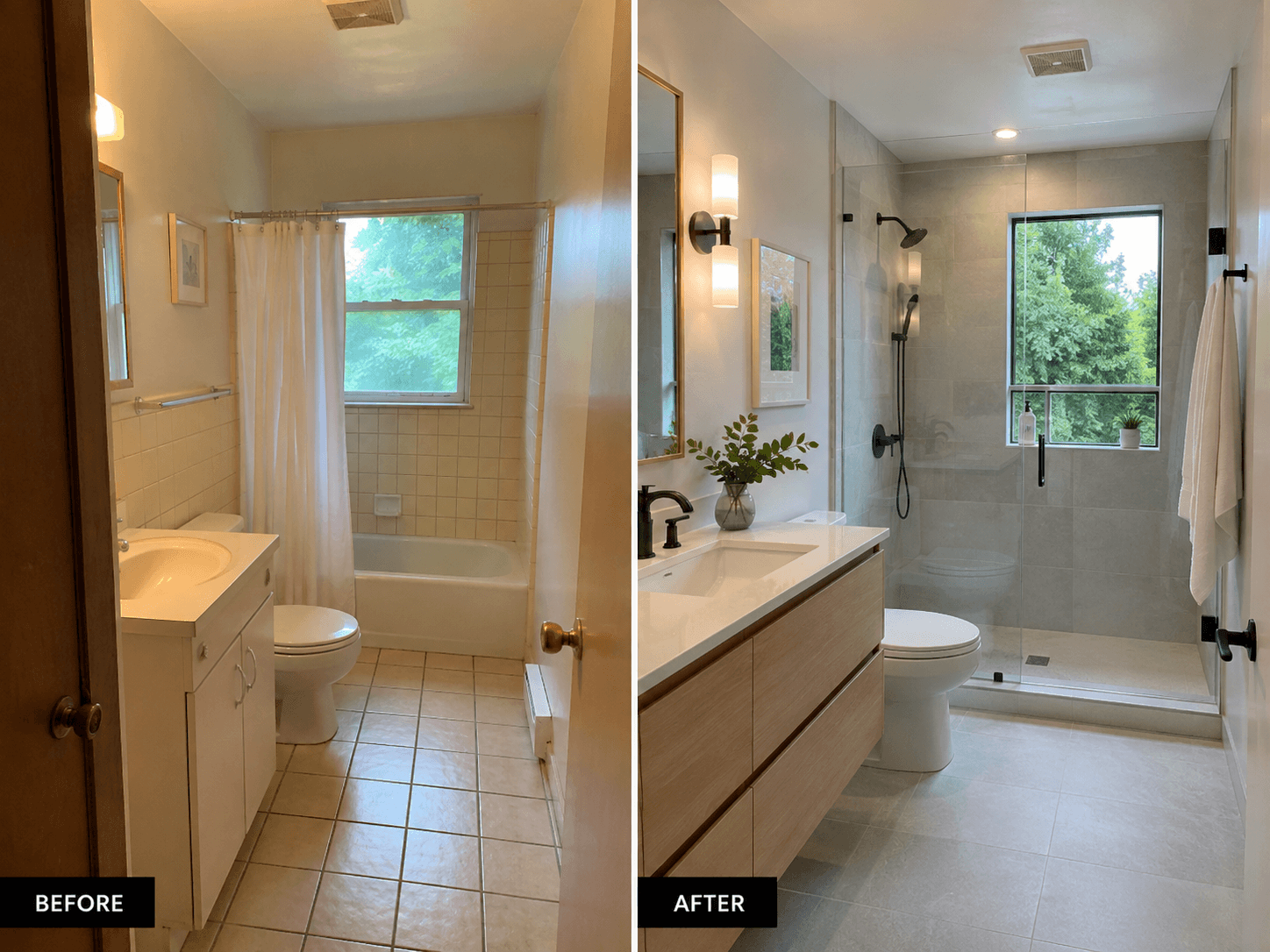
A bathroom remodel in Seattle is one of the highest-value improvements you can make to your home, but only when the work behind the tile is as solid as the finish on top of it. Avoid these ten mistakes and you avoid the vast majority of the callbacks, leaks, and budget blowups we get called in to fix.
Brutsky Builds is a licensed, insured, and bonded general contractor (license #BRUTSBL783ON) with a Seattle office at 1201 3rd Ave #2200 and Best of Houzz Service recognition. Every bathroom we build is backed by a one-year installation warranty. Planning a bathroom remodel in Seattle? Book a free estimate by calling (206) 316-9937 or requesting a quote online, and we'll help you get it right the first time.


.svg)
.svg%20fill.svg)


.webp)
.webp)
.webp)

.svg)