



.svg)
Old homes have something new construction simply can't buy: character. The thick trim and tall baseboards, the wavy-glass windows, the built-in cabinetry, the fir floors worn smooth by a century of footsteps. It's the reason people fall in love with these houses in the first place. It's also, ironically, the thing most at risk the moment a remodel begins.
The temptation is to gut everything and start fresh, or to freeze the house in amber and never touch it. Neither serves you well. The real art of old house remodeling is marrying the two: updating the systems, comfort, and function a modern family needs while protecting the details that give the home its soul. Done right, you get a house that lives like a new one and feels like no other. Here's how to strike that balance.
Why Keep an Old Home's Character?
Keeping an old home's character is worth the effort because that character is irreplaceable and adds real value. The craftsmanship in an older house, hand-milled trim, solid wood doors, plaster walls, old-growth lumber, was built with materials and labor that are prohibitively expensive or simply unavailable today.
Beyond sentiment, there's a practical case. Original details are a genuine selling point, and buyers drawn to older homes are specifically looking for the charm that a careless remodel strips away. Preservation organizations like the National Trust for Historic Preservation have long documented how retaining original character protects both a home's identity and its long-term value. Modernizing an old house isn't about erasing its age; it's about letting a home wear its history while working for how you live now.
Modernize the Systems, Preserve the Soul
The smartest old-house upgrades are the ones nobody sees. The systems hidden inside the walls of an older home are usually where modernization is genuinely needed, and updating them changes how the house performs without touching how it looks.
Most older homes need attention here. Outdated electrical, including knob-and-tube wiring, should be brought up to code for safety and capacity. Aging galvanized or cast-iron plumbing often needs replacement. Insulation is frequently minimal or absent, and heating and cooling systems are dated and inefficient. Addressing these behind the walls delivers modern safety, comfort, and energy performance while leaving the visible character completely intact. This invisible modernization is the foundation of every successful old house remodel, and it's the work that protects everything else you preserve.
Restore and Reuse Original Details
Whenever possible, restore original details rather than replacing them, because repaired originals hold character that reproductions rarely match. Original hardwood floors can be refinished, old trim and moldings repaired, solid doors rehung with restored hardware, and built-ins and fireplaces brought back to life.
This is where patience pays off. Stripping decades of paint from beautiful millwork, refinishing floors instead of covering them, and salvaging period hardware preserves the exact texture and patina that make an old home feel authentic. When a detail truly can't be saved, having it reproduced to match, or sourcing a period-appropriate replacement from an architectural salvage yard, keeps the home cohesive. The goal is repair first, replace second, and replace-in-kind when you must.
Open Up the Layout Thoughtfully, Not Completely
Older homes often feel chopped up by today's standards, but the answer is selective change, not a full gut. Removing every wall to create one vast open space erases the room definition and proportion that are part of an old home's character, leaving it feeling generic.
A more sympathetic approach opens the connections that matter, often widening a doorway or removing a single wall between the kitchen and a main living space, while keeping the sense of distinct rooms elsewhere. Using a cased opening or a wide framed passage rather than a raw hole preserves the architectural language of the house. You get the flow and light a modern household wants without turning a home with a story into an anonymous open box. Where walls do come out, remember that older homes hide surprises, so structural assessment comes first.
Blend Old and New with Intention
The most striking old house remodels don't hide the new work; they let old and new play off each other deliberately. A crisp, modern kitchen or bathroom can live beautifully inside a period home when the contrast is handled with intention rather than by accident.
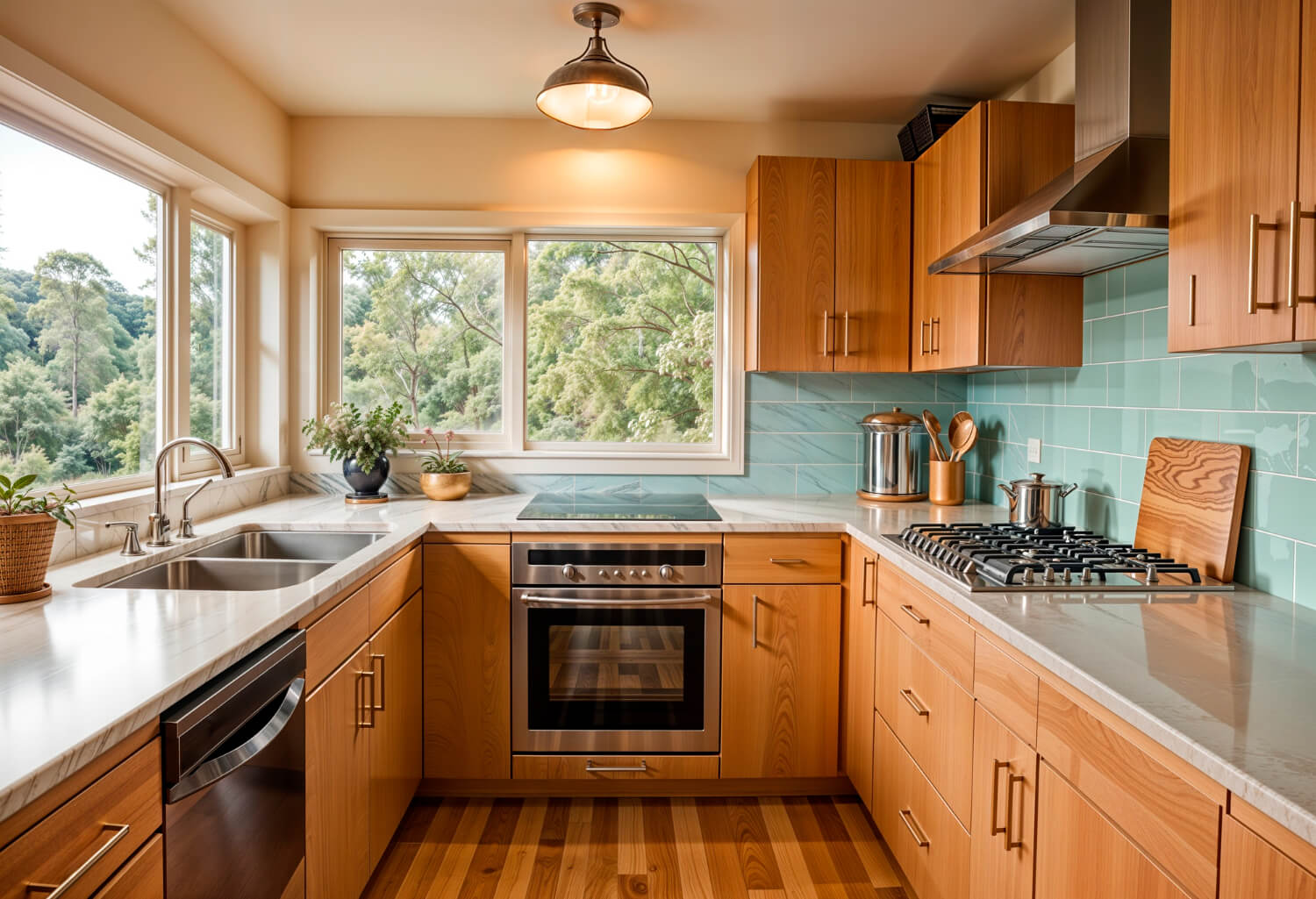
The key is a common thread. A sleek modern kitchen feels at home in a craftsman house when it borrows the home's materials, wood tones, or color palette, or when a few period touches, a farmhouse sink, an original window, restored floors carried through, tie it back to the era. Intentional contrast reads as sophisticated and collected. Thoughtless contrast reads as a renovation that ignored the house. The difference is whether the new elements acknowledge the old ones, and the kitchen and bathrooms are usually where this balance is tested first, since they need the most modernization.
Match Materials and Proportions
When you add or replace anything, match the home's materials and proportions, because scale and material are what the eye reads as authentic. New windows, trim, siding, or flooring that ignore the home's original profiles and scale will always look like an afterthought.
Attention to proportion is what separates a seamless addition or repair from an obvious one. Match trim profiles and the generous scale older homes favored, choose windows sympathetic to the originals in proportion and muntin pattern, and match wood species and plank widths when patching floors. Even paint and finish choices that respect the era help the whole house read as one. This discipline matters most on additions, where a new wing designed to echo the original's rooflines, materials, and window rhythm reads as though it was always there.
What Are the Hidden Challenges of Remodeling an Old House?
The hidden challenges of remodeling an old house are the conditions you can't see until walls open, and they're the reason old-home projects need experienced hands. What starts as a cosmetic update frequently uncovers work that has to be addressed before the fun part begins.
Common surprises include knob-and-tube wiring and undersized electrical, aging plumbing, and hazardous materials like asbestos and lead paint that require safe, professional handling. Plaster walls behave differently than drywall, foundations may have settled or need repair, and nothing in an old house is standard, so square footage, framing, and dimensions rarely match modern assumptions. Some homes also sit in historic districts with design review requirements. None of these are reasons not to remodel; they're reasons to budget a real contingency and to work with a team that has opened up old walls before and knows what to do when the unexpected appears.
Modernize Your Old Home the Right Way
An old house is worth far more than the sum of its outdated systems, and the goal of a good remodel is never to erase its age but to let it live comfortably in the present. Update the wiring, plumbing, insulation, and HVAC behind the walls, restore the original details that give the home its character, open the layout only where it genuinely helps, and match materials and proportions in everything you add. Handle it that way, and you end up with a home that has all the function of new construction and a soul that new construction can't manufacture.
Brutsky Builds is a Bellevue-based, licensed, insured, and bonded design-build general contractor (license #BRUTSBL783ON) serving Seattle and the greater Eastside. We specialize in modernizing older homes with respect for their original character, handling the hidden systems, structural realities, and careful restoration these projects demand, all backed by a one-year installation warranty. Explore our Home Renovation Service or call (206) 316-9937 to plan a remodel that honors your home's history while bringing it firmly into the present.


.svg)
.svg%20fill.svg)


.webp)


.webp)
.webp)
.webp)

.svg)